» What Is RWA Tokenization? A Comprehensive Overview of Tokenizing Real World Assets
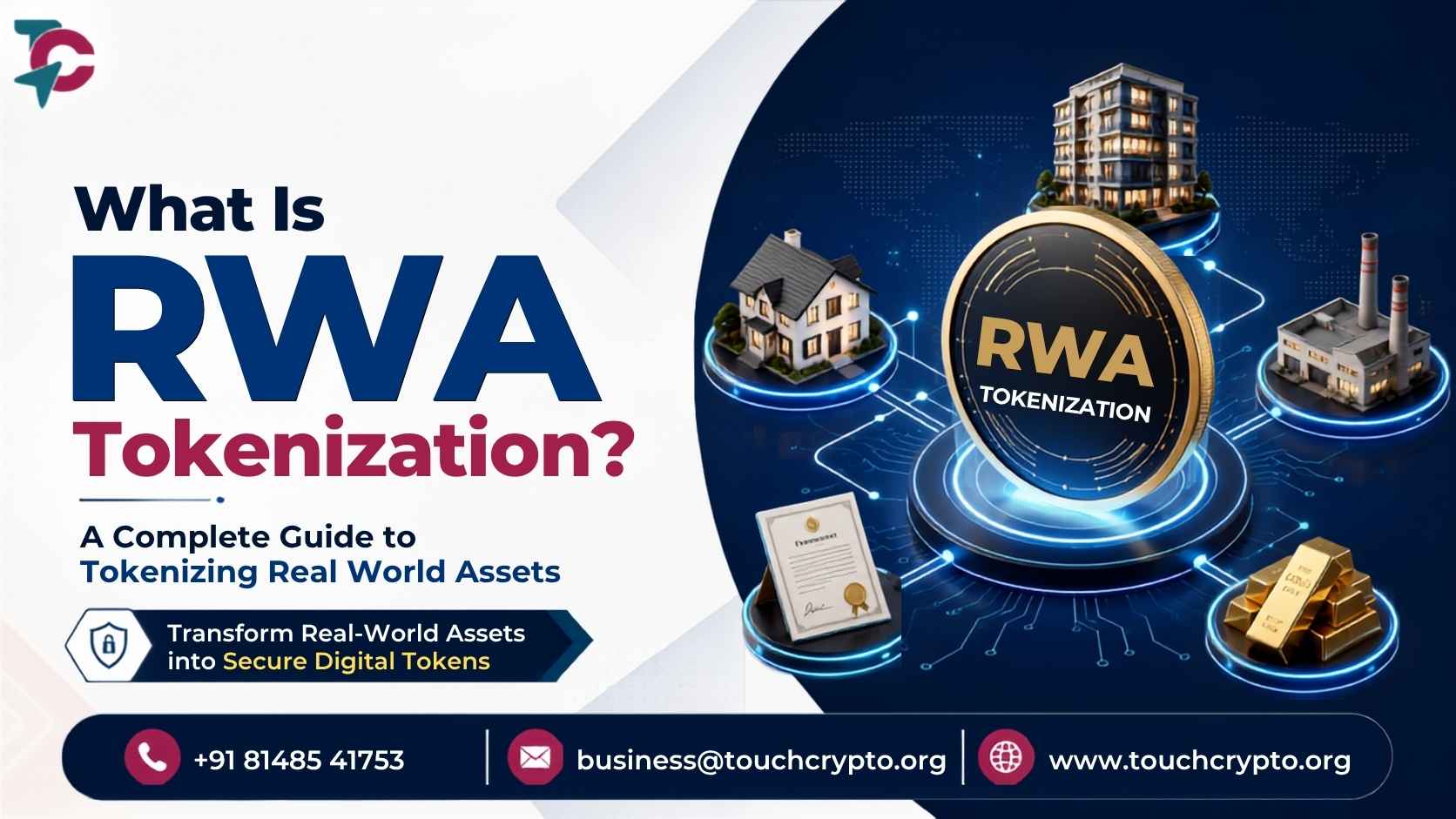
Real World Asset (RWA) tokenization involves using blockchain to represent physical and financial assets that currently lack a market for efficient transfer or ownership. Changing these assets into tokens increases access for both ownership and liquidity and can also give assets international appeal.
This blog will explain what tokenizing RWAs entails, how RWA tokenization operates, why companies are heavily invested in this emerging technology, and what are its benefits and limitations.
What Is RWA Tokenization?
RWAs can be tokenized into digital tokens, allowing them to exist on a blockchain. Tokenization allows the fractional or whole ownership of physical or financial assets in the form of tokens that investors can then trade, purchase, or sell on various blockchain platforms.
Tokenization eliminates a lot of third parties, facilitates exchanges and enables access for all investors globally unlike many conventional models of ownership.
Since each transaction is published on a public ledger the process is secure, transparent and irreversible. Businesses seeking to launch secure tokenized asset ecosystems often partner with an RWA Tokenization Development Company to build compliant, scalable and feature rich platforms.
How Does RWA Tokenization Work?
Asset Identification
The process starts by selecting a real world asset that is fit for tokenization. This can include real estate, commodities, securities, artwork, or other precious assets.
Asset Valuation
The chosen asset is professionally valued to determine its market worth. Accurate valuation helps establish fair pricing for the digital tokens.
Legal Structuring
Ownership rights and legal requirements are defined before token issuance. This guarantees that the asset complies with applicable legal and financial rules.
Token Creation
Digital tokens representing full or fractional ownership are created on a blockchain. Each token securely reflects the value and ownership of the underlying asset.
Smart Contract Installation
Smart contracts streamline transactions, ownership transfers and revenue allocation. They reduce manual intervention; while improving transparency and efficiency.
Token Distribution
The tokens are made available to investors through secure digital platforms. Investors can easily buy, sell, or transfer ownership in the marketplace.
Types of Real World Assets That Could Be Tokenized
-
- Real Estate: Residential, commercial and industrial properties can be tokenized into digital shares. This enables fractional ownership and increases investment accessibility.
- Treasured Metals: Gold, silver, platinum and various other precious materials can be displayed as blockchain tokens. Investors benefit from safe, and transparent ownership records.
- Art and Collectibles: Artwork, antiques, luxury watches and collectibles can be divided into digital ownership units. This allows multiple investors to own a share of valuable assets.
- Stocks and Securities: Traditional financial instruments can be tokenized for faster settlement, and improved accessibility. Blockchain enhances transparency throughout the trading process.
- Bonds: Government and corporate bonds can be released as digital tokens. Smart contracts automate interest payments and simplify bond management.
- Intellectual Property: Patents, copyrights, logos and online content can be tokenized to capitalize on ownership rights. Creators get fresh prospects for investment, and revenue production.
- Commodities: Agricultural products, oil and other natural resources can be tokenized for efficient trading. This improves liquidity; while reducing operational complexity.
Key Benefits of RWA Tokenization Platform
Improved Liquidity
Tokenization allows traditionally illiquid assets to be traded more profitably Businesses can unlock capital without selling the entire asset.
Fractional Investment
High value assets are divided into smaller ownership units. This allows more investors to participate with lower investment amounts.
Enhanced Transparency
Blockchain permanently records every transaction on an enduring database. Investors can confirm ownership and payment history with trust.
Faster Transactions
Smart contracts automate settlements and ownership transfers. This significantly reduces delays compared to traditional asset transactions.
Lower Operational Costs
Automation and reduced reliance on intermediaries help to reduce administrative expenses. Businesses can achieve greater operational efficiency.
Global Market Access
Digital assets can be accessed by investors across different countries. This expands fundraising opportunities beyond local markets.
Increased Security
Blockchain technology protects ownership records using advanced encryption. Secure smart contracts further reduce the risk of fraud and data manipulation.
Challenges in RWA Tokenization
Legal Compliance
Rules for digital assets vary across jurisdictions, and continue to develop. Businesses must ensure compliance before launching tokenized assets.
Asset Valuation
Maintaining accurate asset valuations is essential for investor confidence. Regular assessments help reflect the asset’s true market value.
Custody and Asset Management
Physical assets require secure storage alongside digital ownership records. Reliable custody solutions are essential for long term asset protection.
Technology Integration
Connecting blockchain systems with existing business infrastructure can be complex. Expert development ensures smooth integration, and platform performance.
Market Adoption
Many traditional investors are still adapting to blockchain based investments. Education, and awareness are essential for raising adoption.
Security Risks
Smart contracts and blockchain platforms require regular security audits. Strong cybersecurity measures help to protect digital assets from potential threats.
Future of Real World Asset Tokenization
RWA tokenization appears to be particularly optimistic with the advent of further evolution within blockchain technology. Financial Institutions, government entities, companies, and investment firms, across the spectrum, are considering tokenized assets in an attempt to bring greater liquidity and ease of transaction.
The combination of upcoming technologies like AI, DeFi, Cross-Chain Interoperability and programmable smart contracts will further enhance tokenization, as well as its scope. With the rise of legal compliance, further institutional involvement is anticipated and this would certainly facilitate broader industry acceptance of RWA through integration with crypto token development services.
Why Businesses Are Investing in RWA Tokenization
Companies are beginning to explore tokenization because the RWA allows businesses to access capital markets, gain investment opportunities, and boost operational effectiveness.
Businesses tokenizing assets are the beginning to tap illiquid markets in an effort to attract and engage a larger pool of investors worldwide. The tokenization helps cut down on operational expenditures and increases efficiency and transactional transparency while facilitating automatic ownership with the use of smart contracts.
Many organizations combine tokenization with solutions offered by an STO Development Company to launch compliant security token offerings that attract regulated investors. Businesses also integrate Crypto Token Development services to create customized utility, governance, or security tokens that support their tokenized ecosystems.
As blockchain adoption accelerates, RWA tokenization provides a competitive advantage by modernizing traditional asset management models and creating new revenue potential with a support of the blockchain development company.
Why Choose Touch Crypto for RWA Tokenization Development
Touch Crypto delivers secure, scalable and enterprise grade RWA tokenization solutions customized to your business requirements. Our experienced blockchain developers build platforms that simplify asset digitization; while ensuring legal compliance and long term scalability.Our RWA tokenization services include
-
-
- Custom RWA tokenization platform development
- Smart contract development and auditing
- Asset token creation
- Investor management systems
- Security focused architecture
- Ongoing technical support and maintenance
-
Whether you’re tokenizing real estate, commodities, securities or patented property, our STO Development Company helps transform traditional assets into secure blockchain powered investment opportunities.
Conclusion
Tokenization is a fundamental shift to the future of asset ownership by digitizing and migrating assets like physical objects onto blockchain. Enhanced with benefits like better liquidity, more transparency, fractionalization and wider accessibility, businesses can also find opportunities, efficiency and speed while tokenizing these real-world assets.
As both blockchain technology and regulatory policies progress, tokenized RWAs could take over a big chunk of the world’s finance sector. Companies which take on RWAs tokenization early would stand to benefit from the emerging world of digital assets, discover new sources of capital and achieve greater operational efficiency.